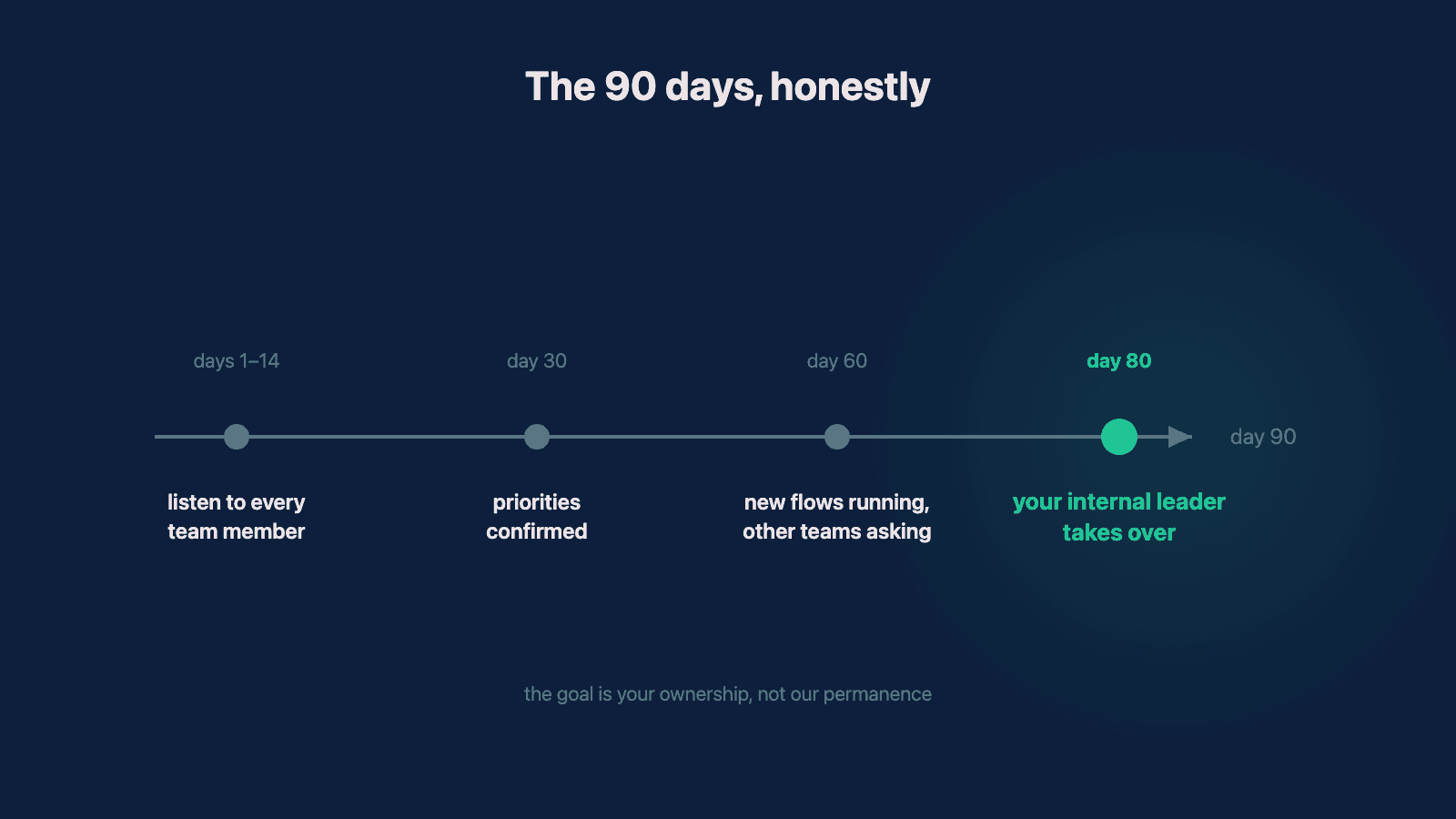
Engagements run three to six months, but the outcome comes first. Here is how we listen, implement, observe real work, and transfer ownership without pretending every product follows the same calendar.
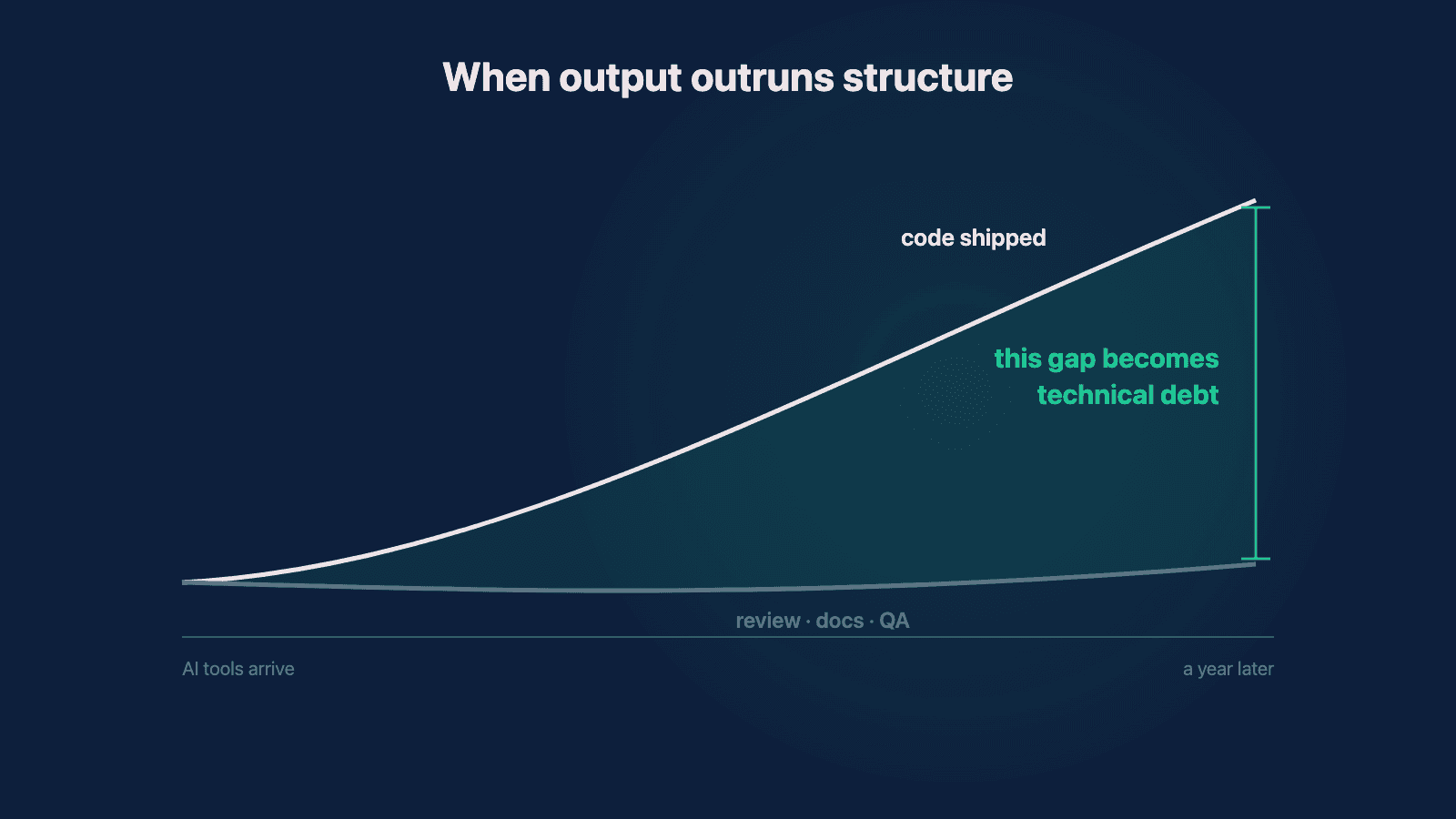
AI lets developers produce code faster than ever. The debt doesn't come from the code itself. It comes from everything that didn't speed up with it: review, documentation, QA, and architecture. That gap is where the trouble accumulates.
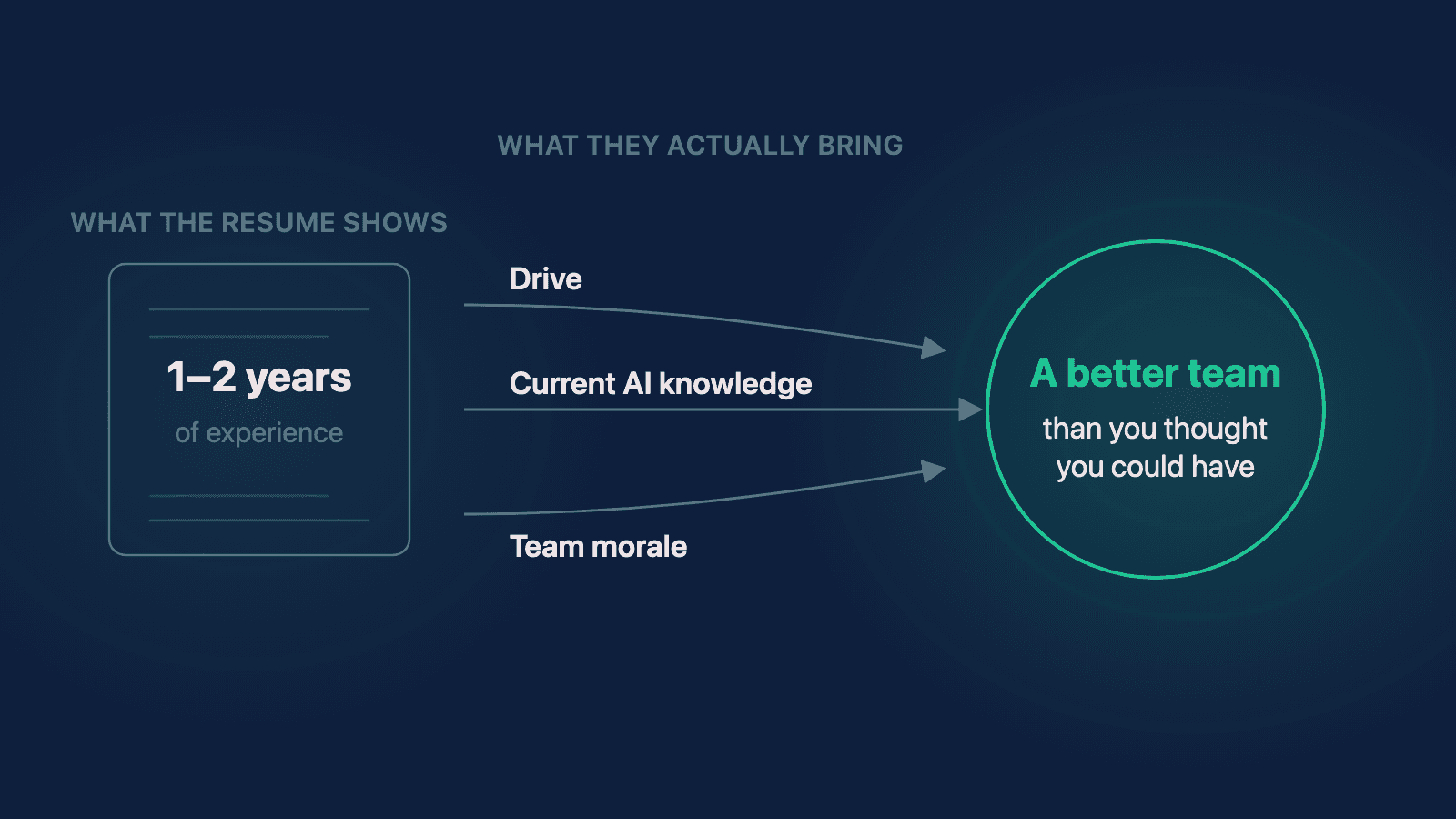
Companies keep finding new reasons not to hire less experienced developers, especially now that AI is in the picture. I think a lot of them are passing on people who could help way more than they realize.
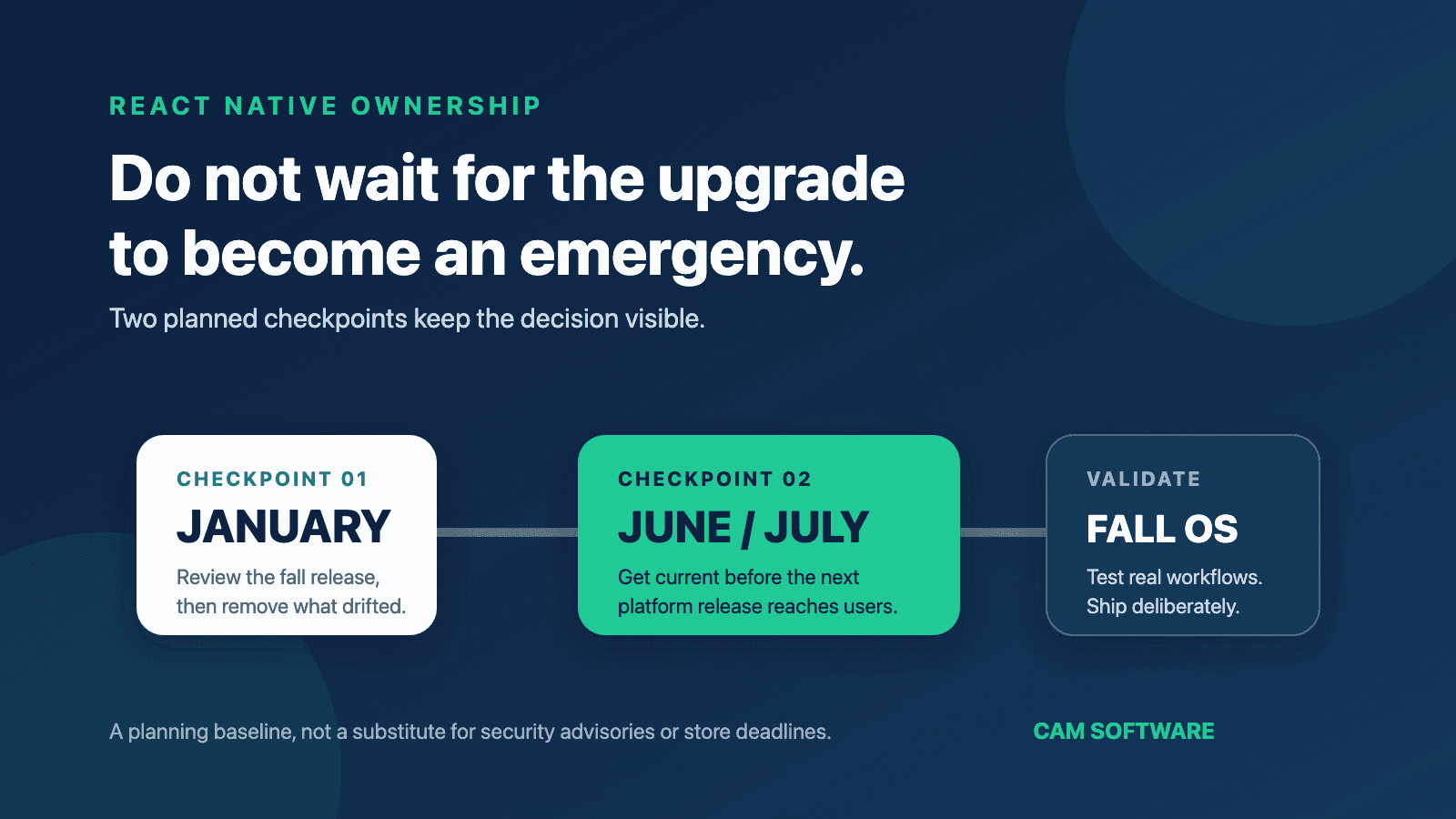
A twice-yearly React Native upgrade review is a practical baseline for many live apps. The point is not chasing every release. It is keeping framework, dependency, platform, and store changes from becoming one emergency.
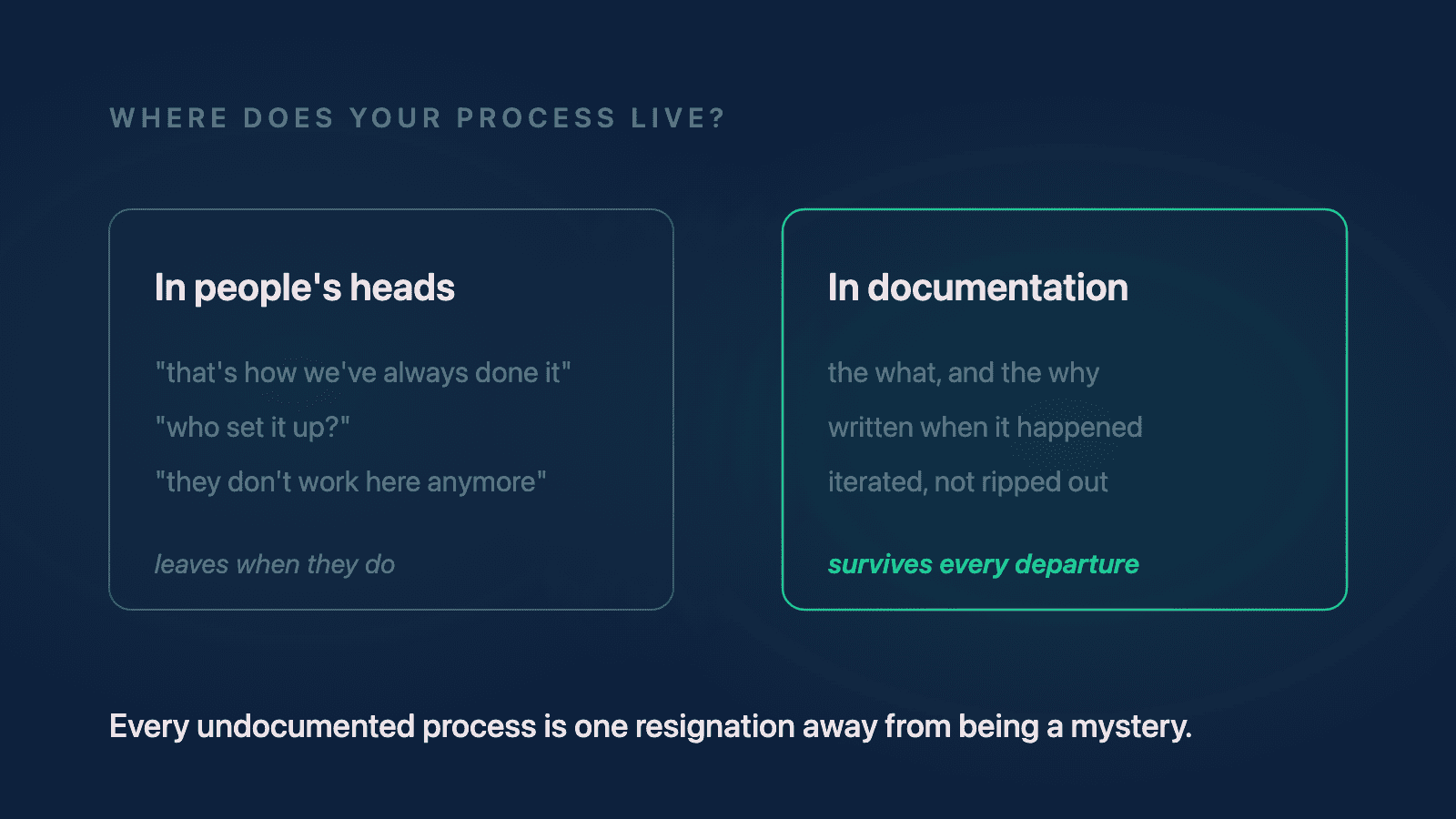
A team told to 'just move this along' with no structure, no documentation, and no process is a slow-motion problem most companies don't recognize until someone leaves. Here's what it costs and how to get ahead of it.
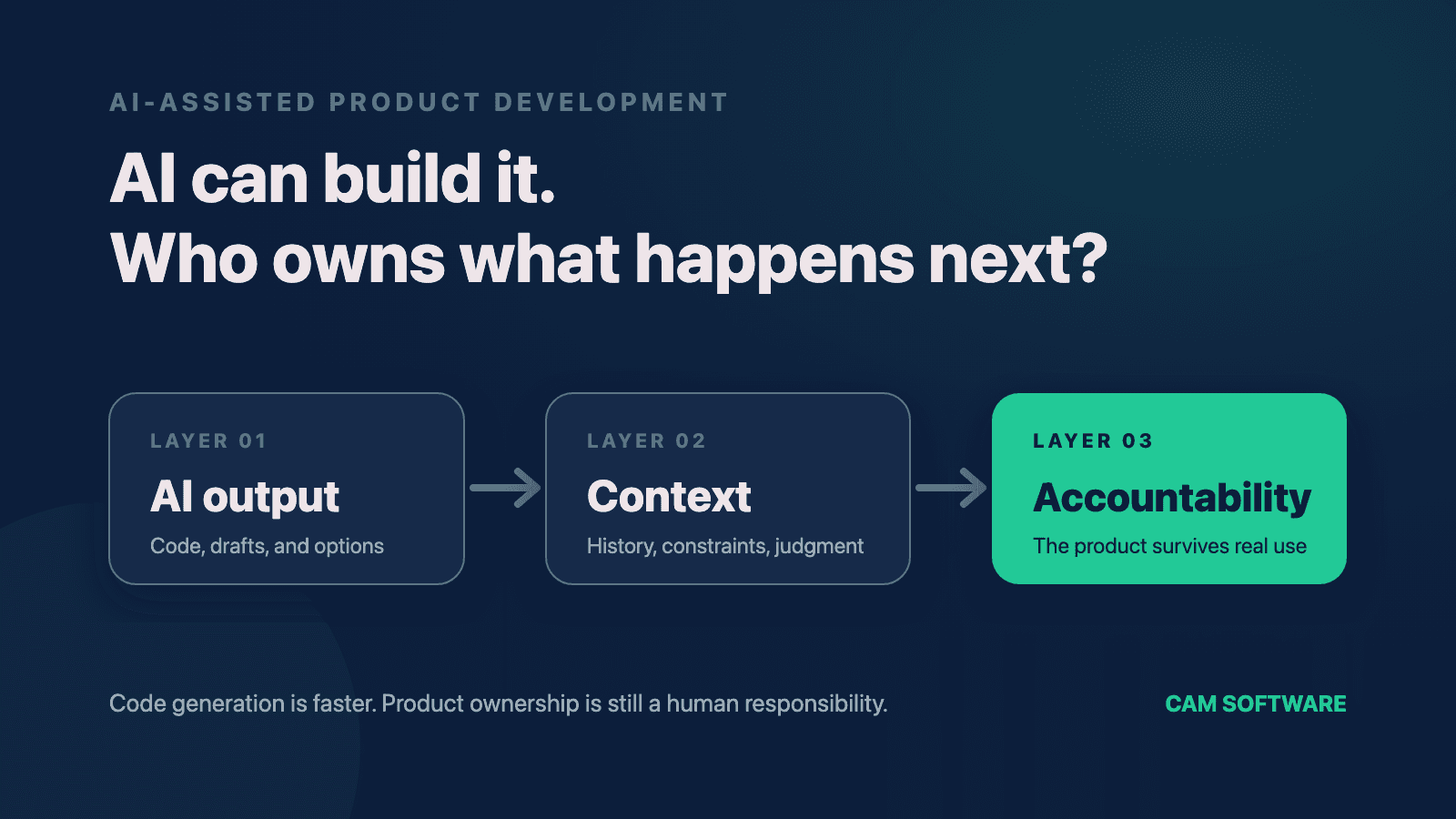
AI can help almost anyone build a prototype. A developer still matters when the product needs context, judgment, platform expertise, and someone accountable for what happens after the first version works.
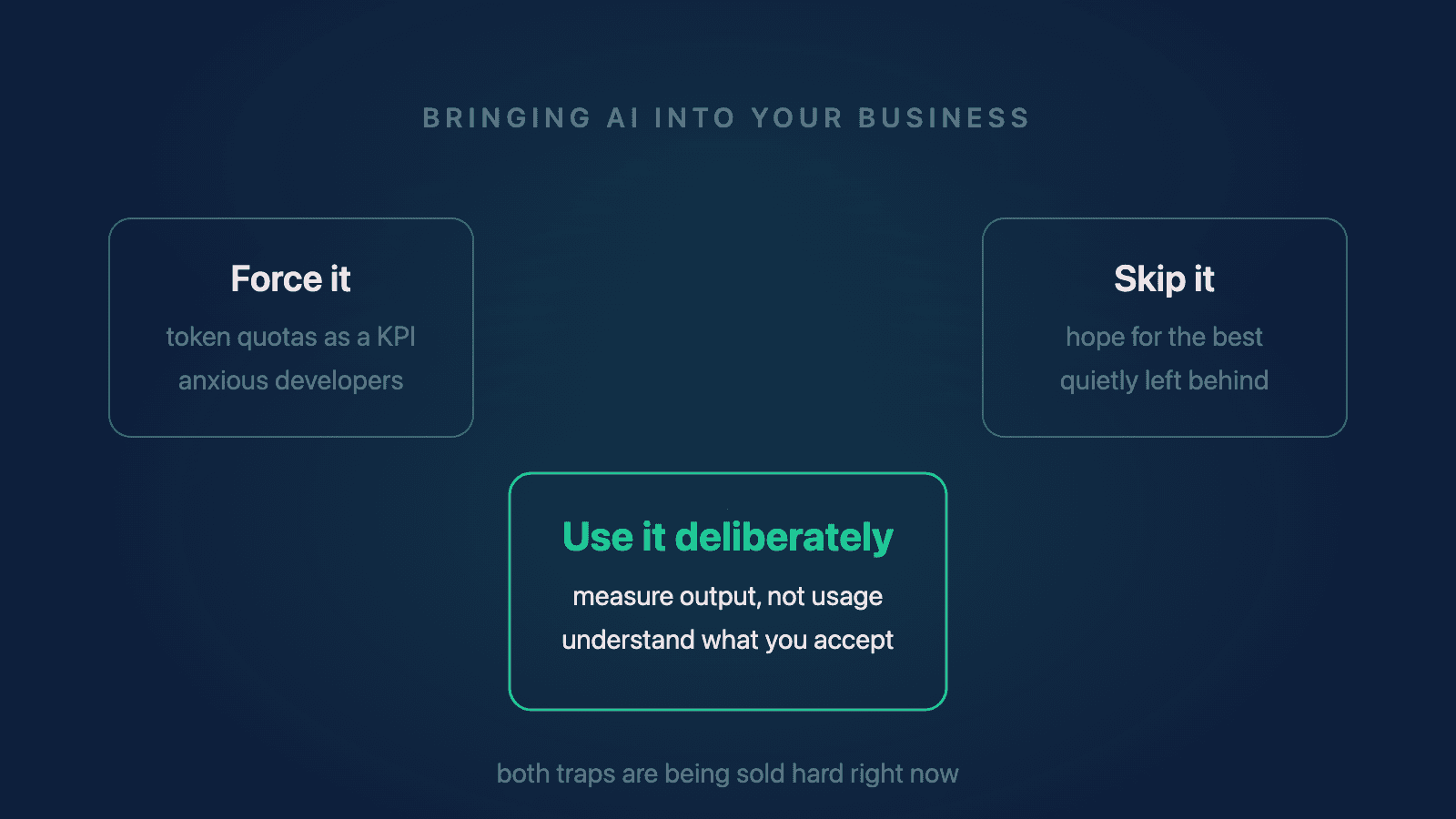
Every business is being impacted by AI whether it engages or not. The two failure modes I keep seeing are forcing it with usage quotas and letting it think for you. Here's what deliberate adoption actually looks like.
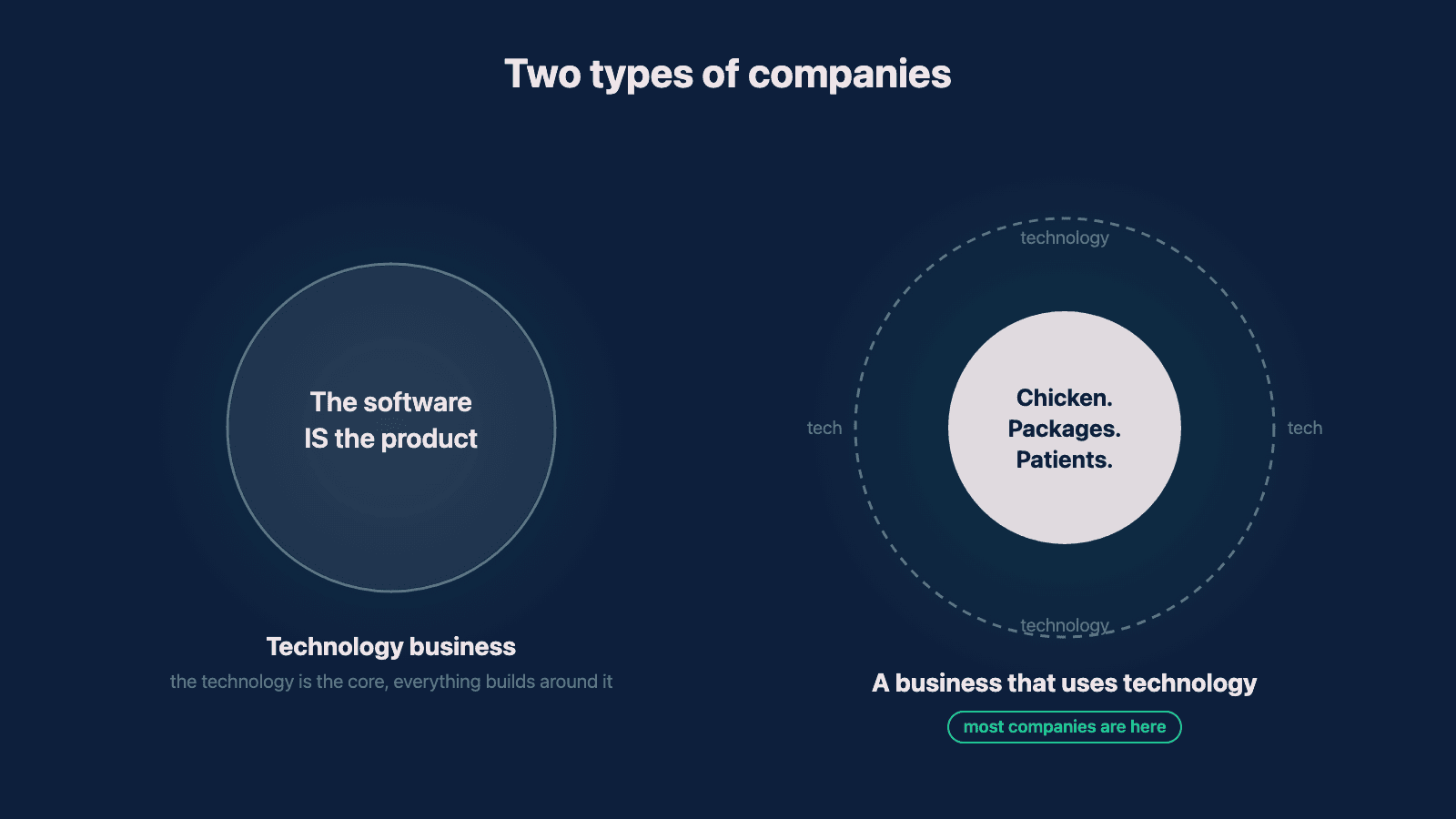
There are two types of companies: technology businesses, and businesses that use technology. Most companies are the second type, and that's fine. But right now the second type is adopting AI faster than it's building the structure to carry it.