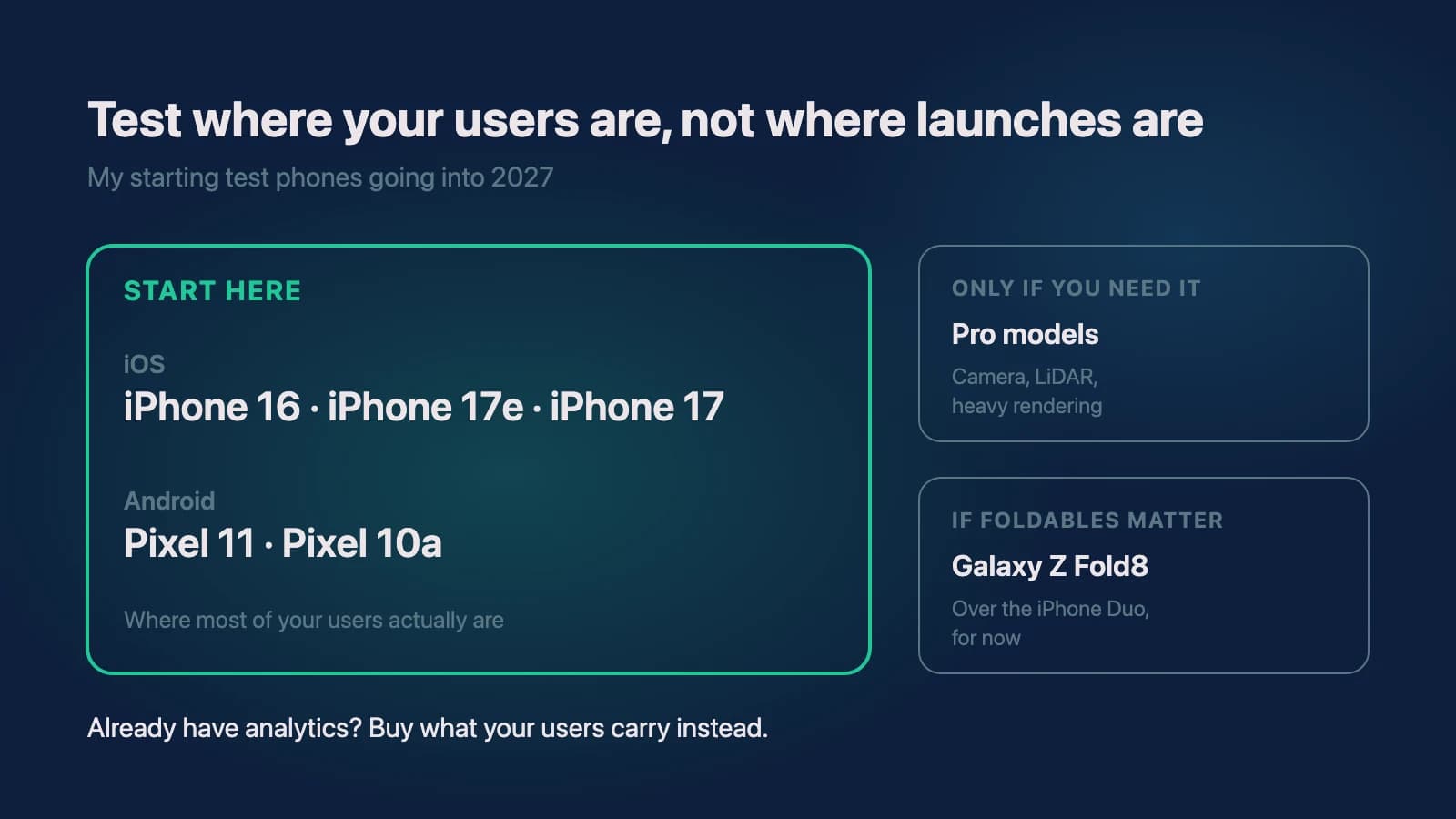
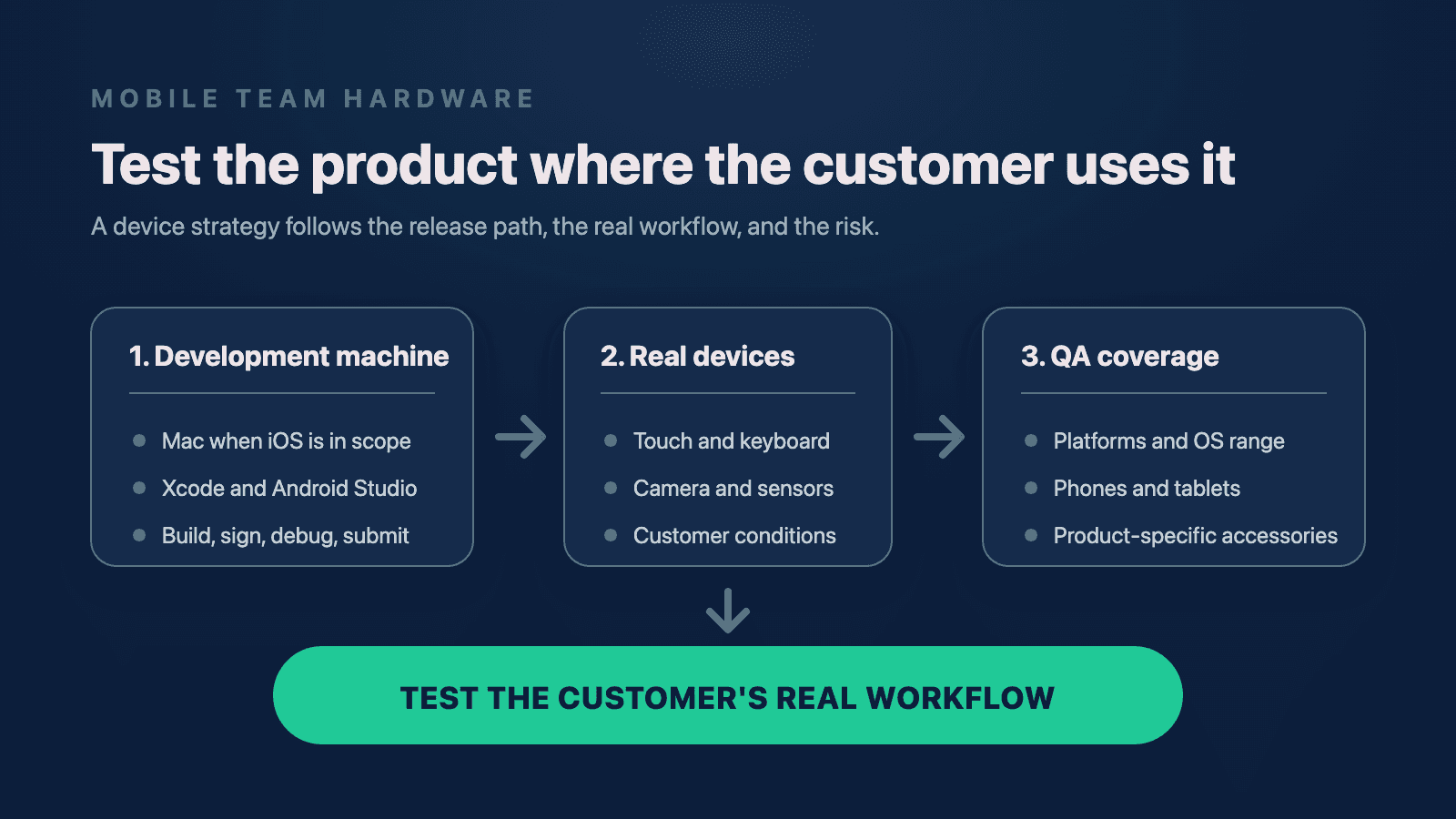
The specific iPhones, Pixels and foldables I recommend for testing an app going into 2027, why I would skip the Pro models for most teams, and when your own user data should overrule all of it.
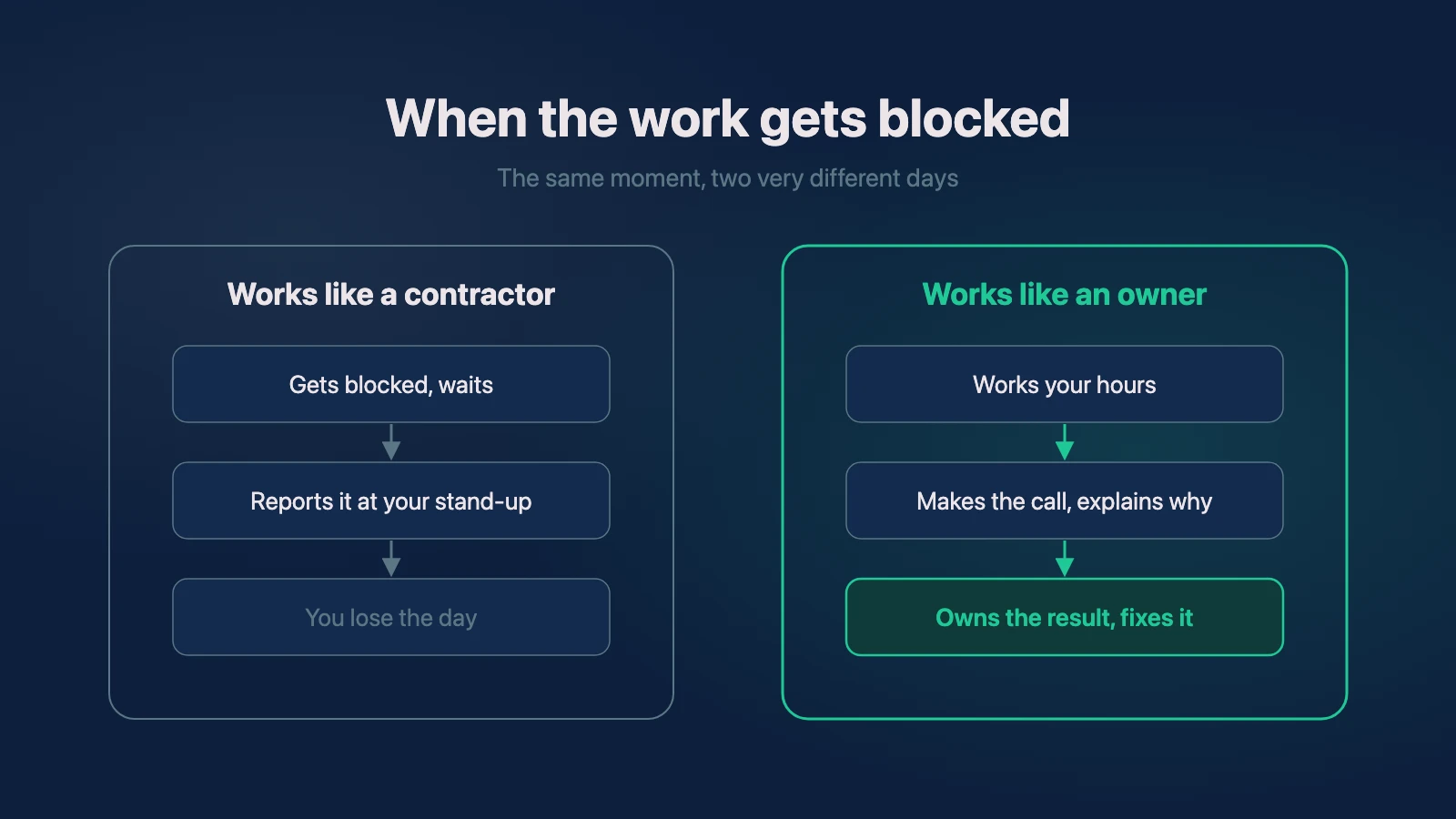
Contractors who get blocked and stop, or build for the hour, cost you more than their rate. Here is who I'd hire, what I'd ask, and how I'd get an existing team to take ownership.
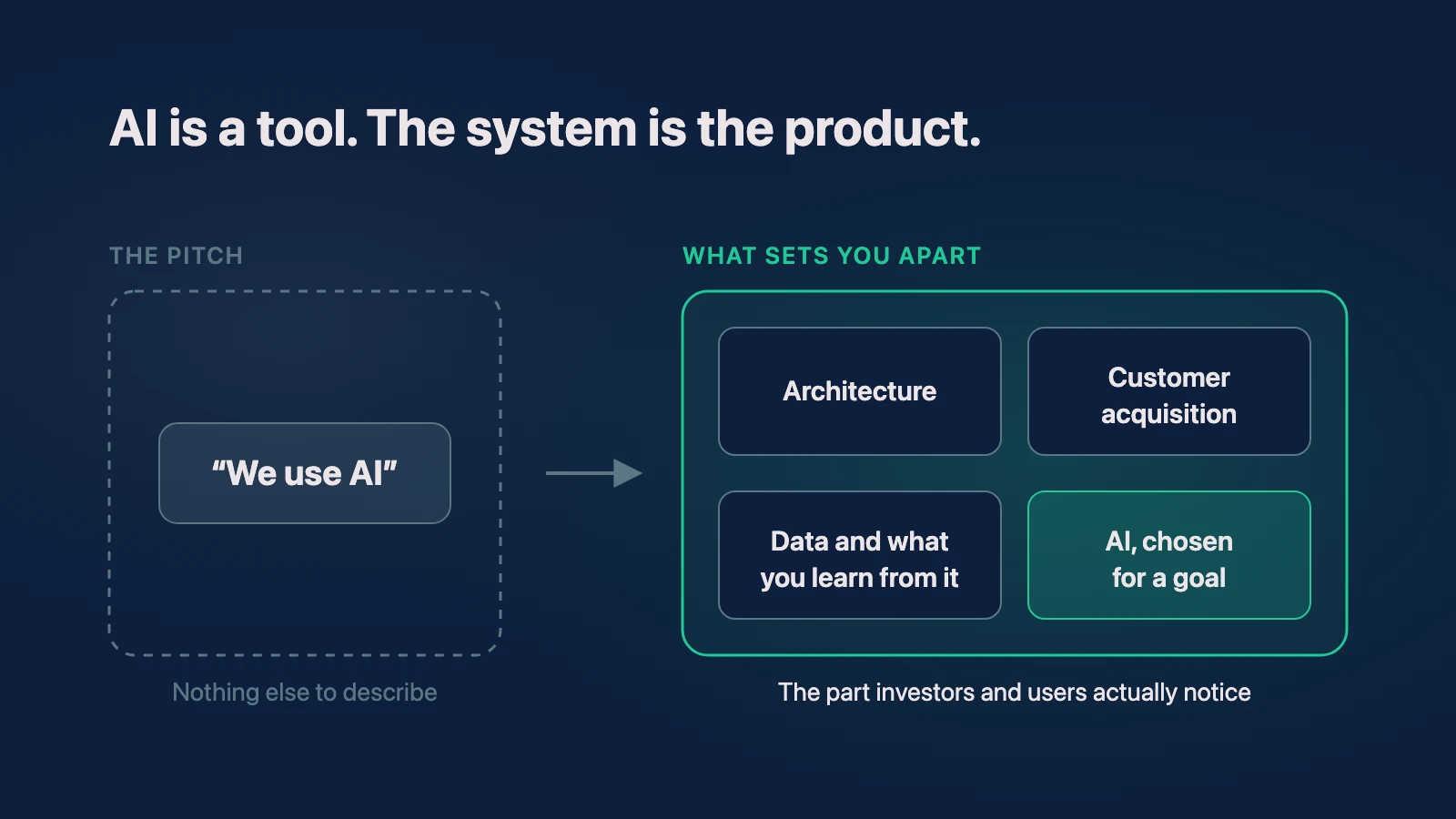
A lot of founders believe that adding AI to their app is what will win users and investors. AI is a tool. What sets a product apart is the system you build around it.
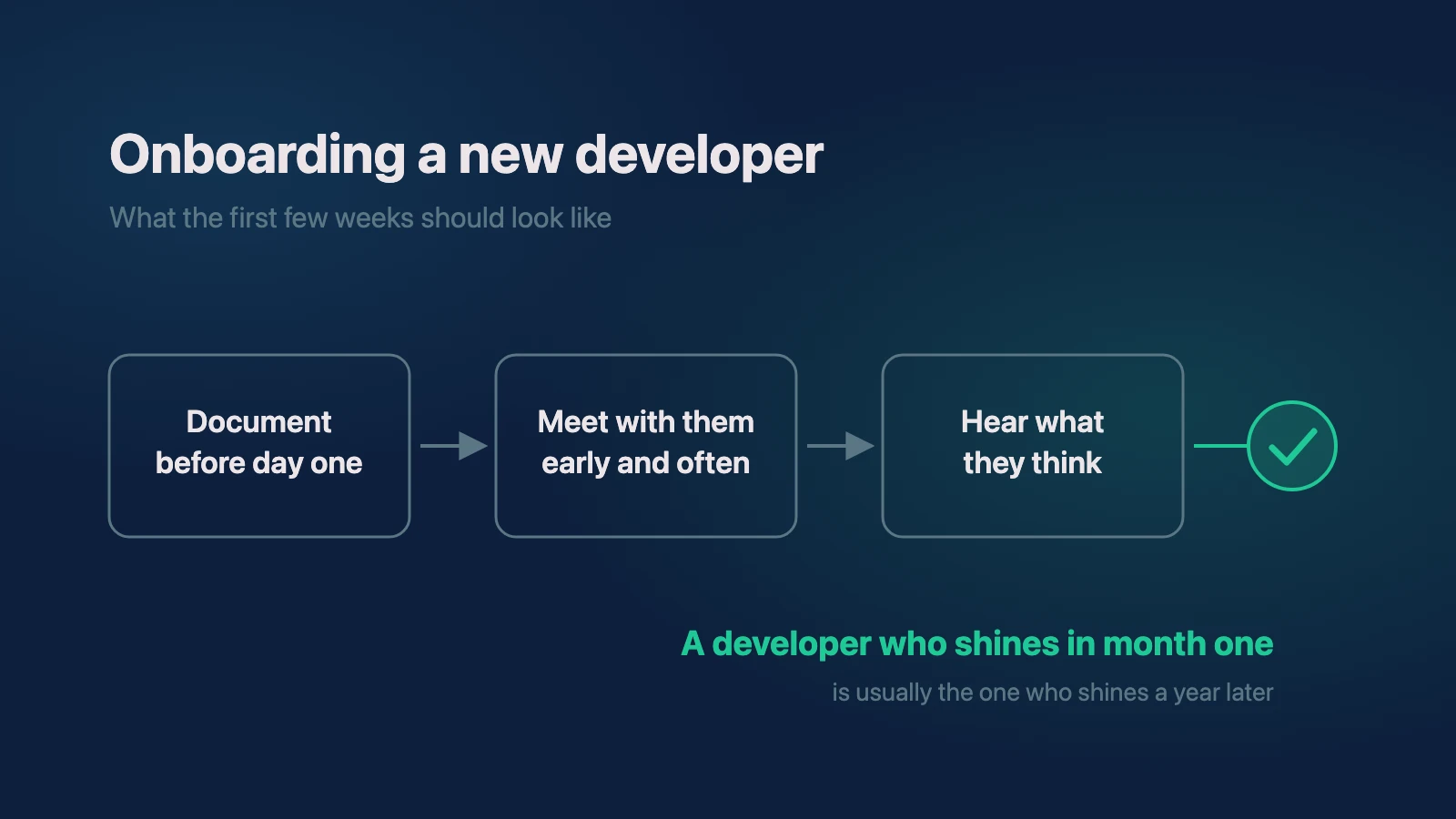
Onboarding a new developer is more than handing over the docs and hoping they reach out. Document before day one, meet with them early and often, and actually hear what they think.
How to decide whether your app should launch on iPhone, Android or both, starting from where your own users actually are rather than from general rules of thumb.
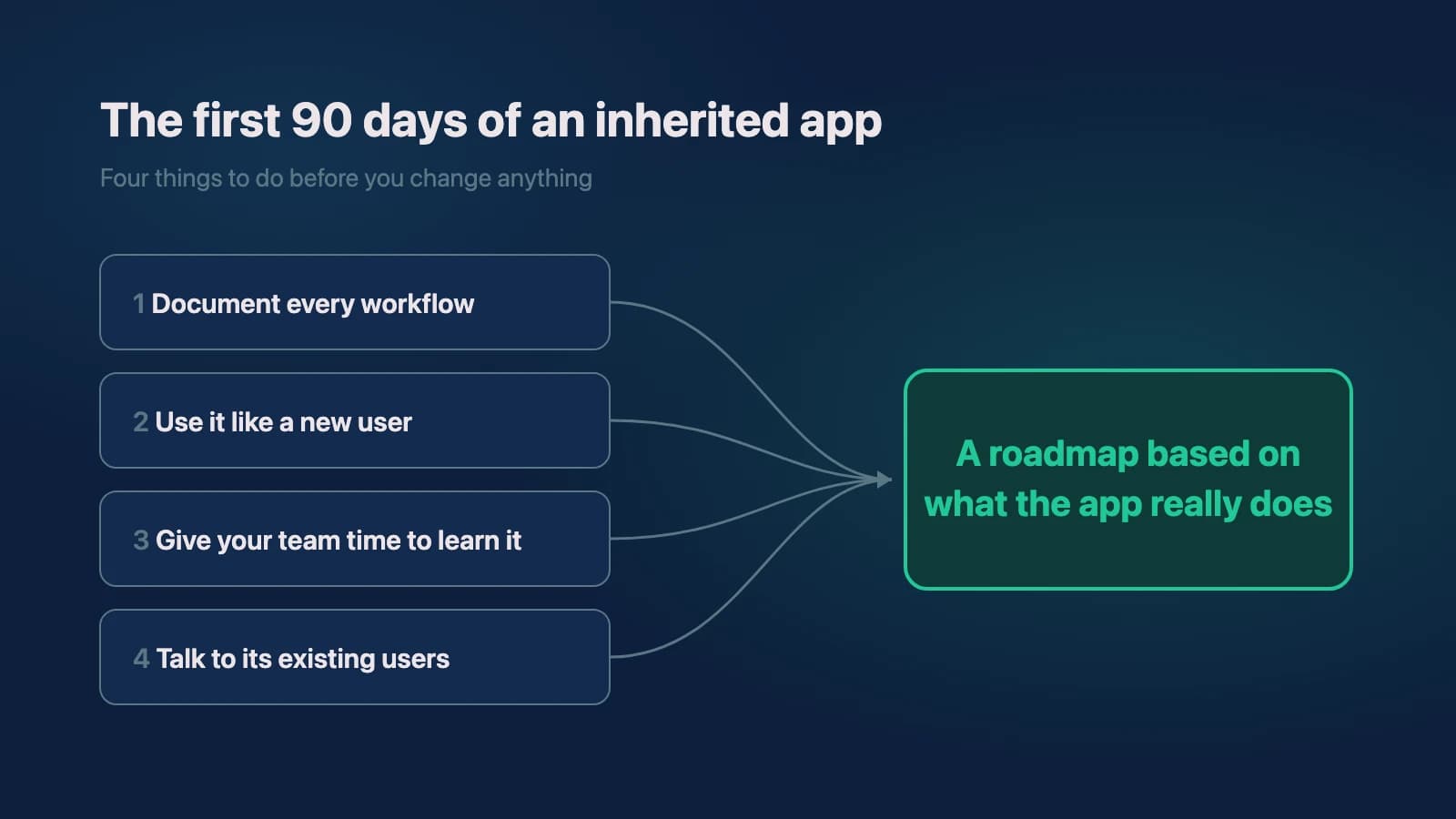
You bought a business with an app, or a partner handed it to you, and now it's yours. Here's what I'd do in the first 90 days: document everything, use it like a brand new user, give your team time to learn it, and talk to the people already using it.
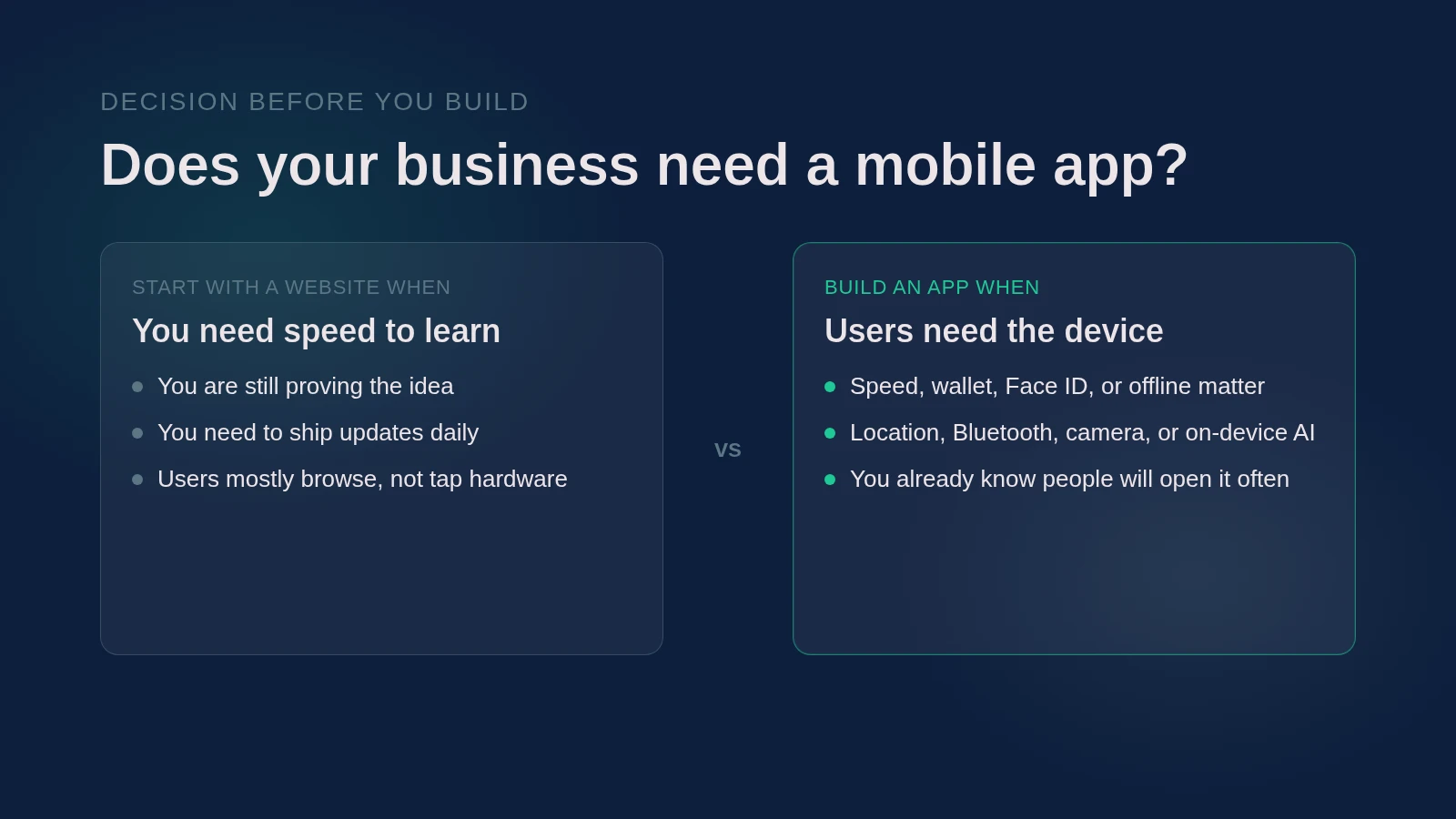
A practical website-vs-app decision: when speed and learning favor the web, when device features and known demand justify a mobile app, and why App Store work is part of the product.
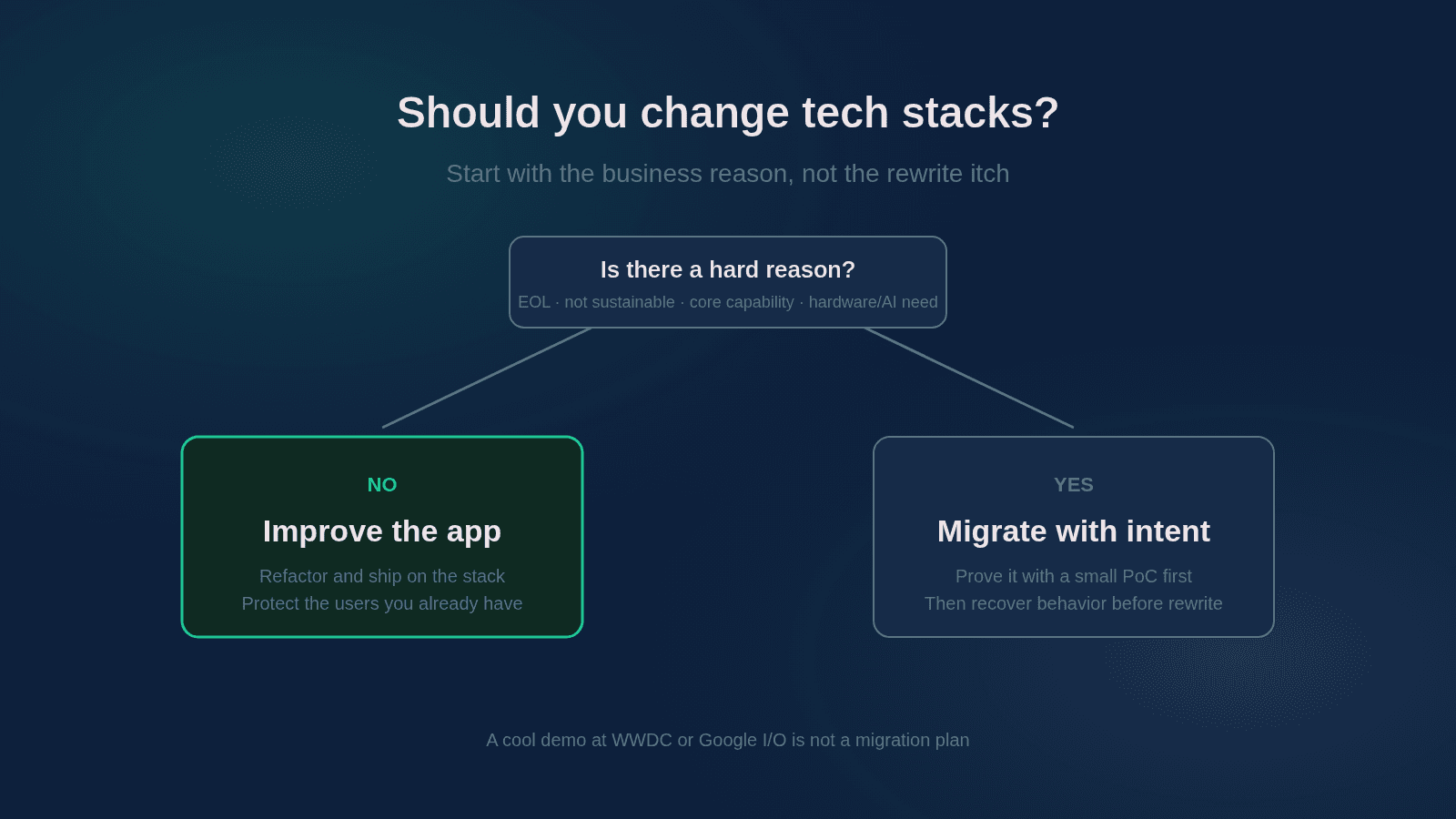
A cool framework demo is not a migration plan. When a live app should change tech stacks, when refactoring wins, and how a small PoC protects the users you already have.
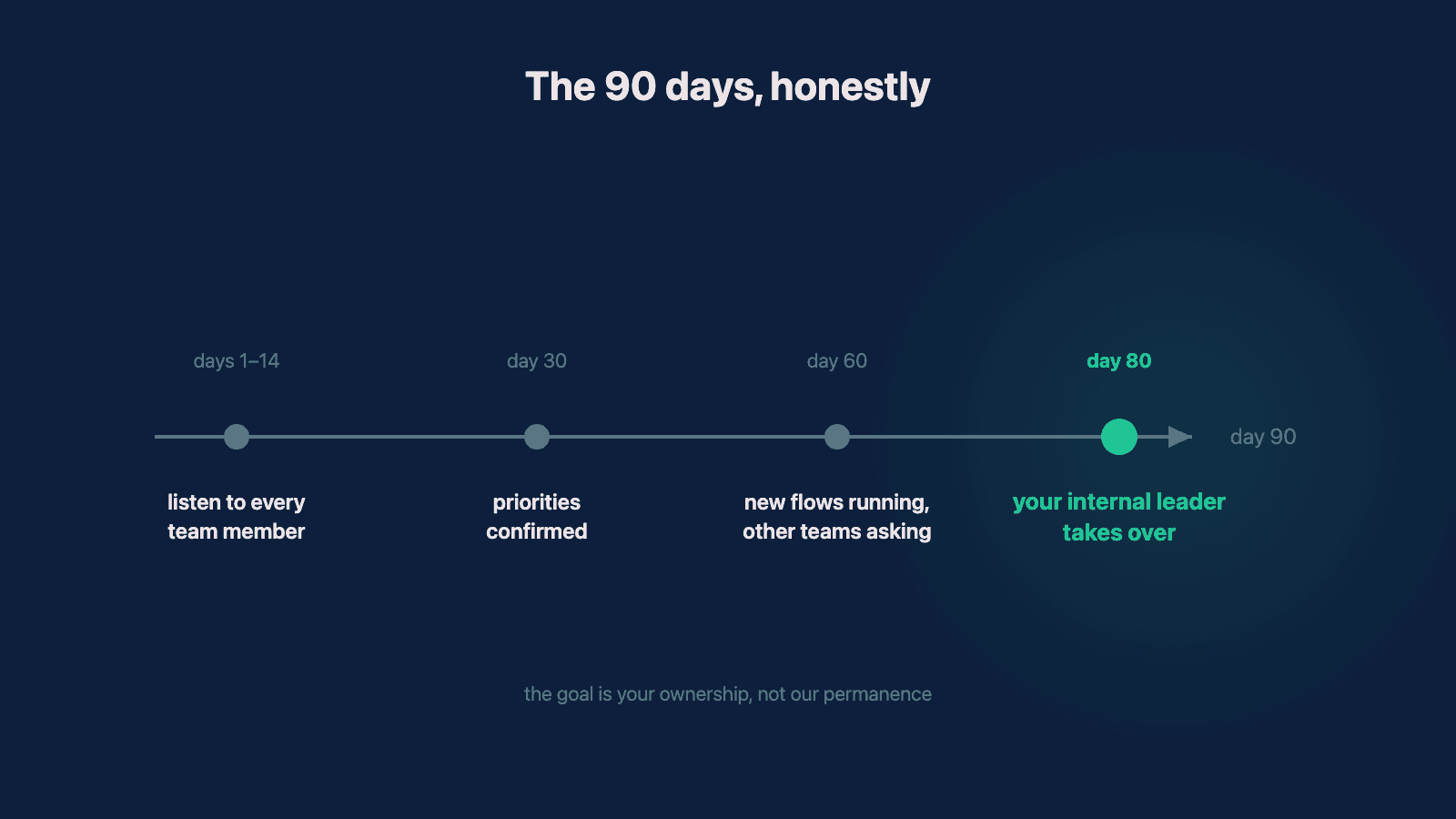
Engagements run three to six months, but the outcome comes first. Here is how we listen, implement, observe real work, and transfer ownership without pretending every product follows the same calendar.
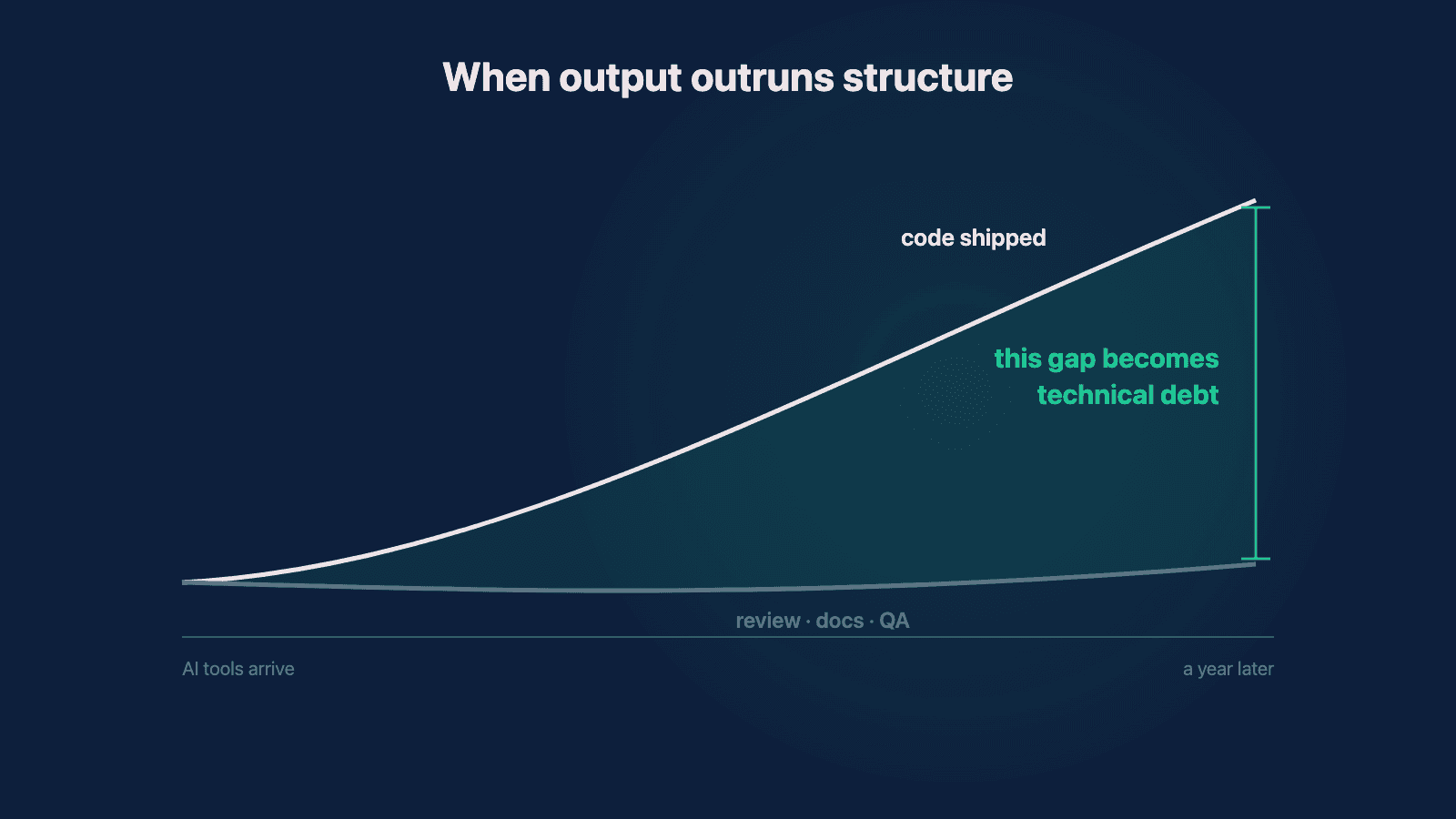
AI lets developers produce code faster than ever. The debt doesn't come from the code itself. It comes from everything that didn't speed up with it: review, documentation, QA, and architecture. That gap is where the trouble accumulates.
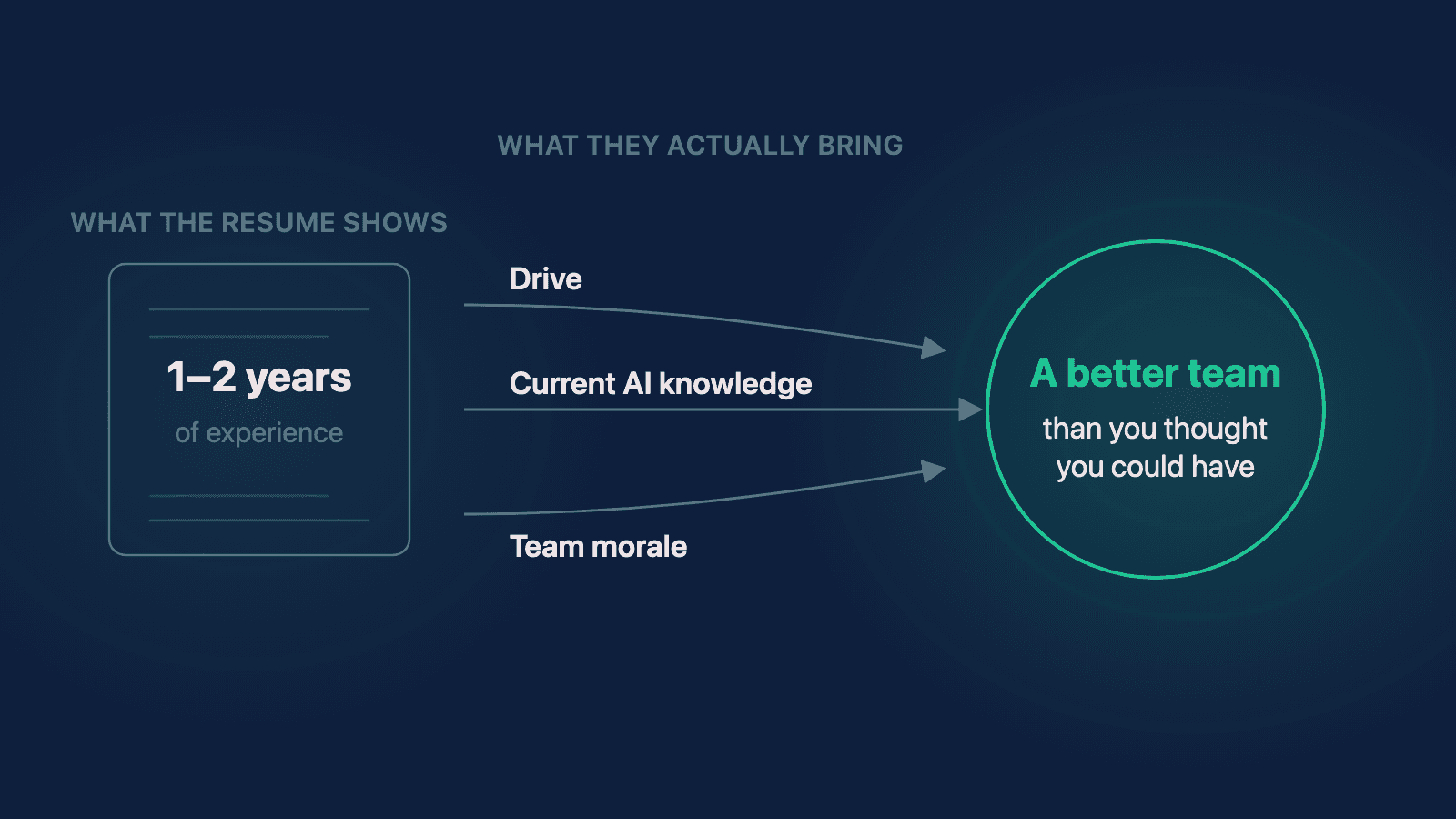
Companies keep finding new reasons not to hire less experienced developers, especially now that AI is in the picture. I think a lot of them are passing on people who could help way more than they realize.
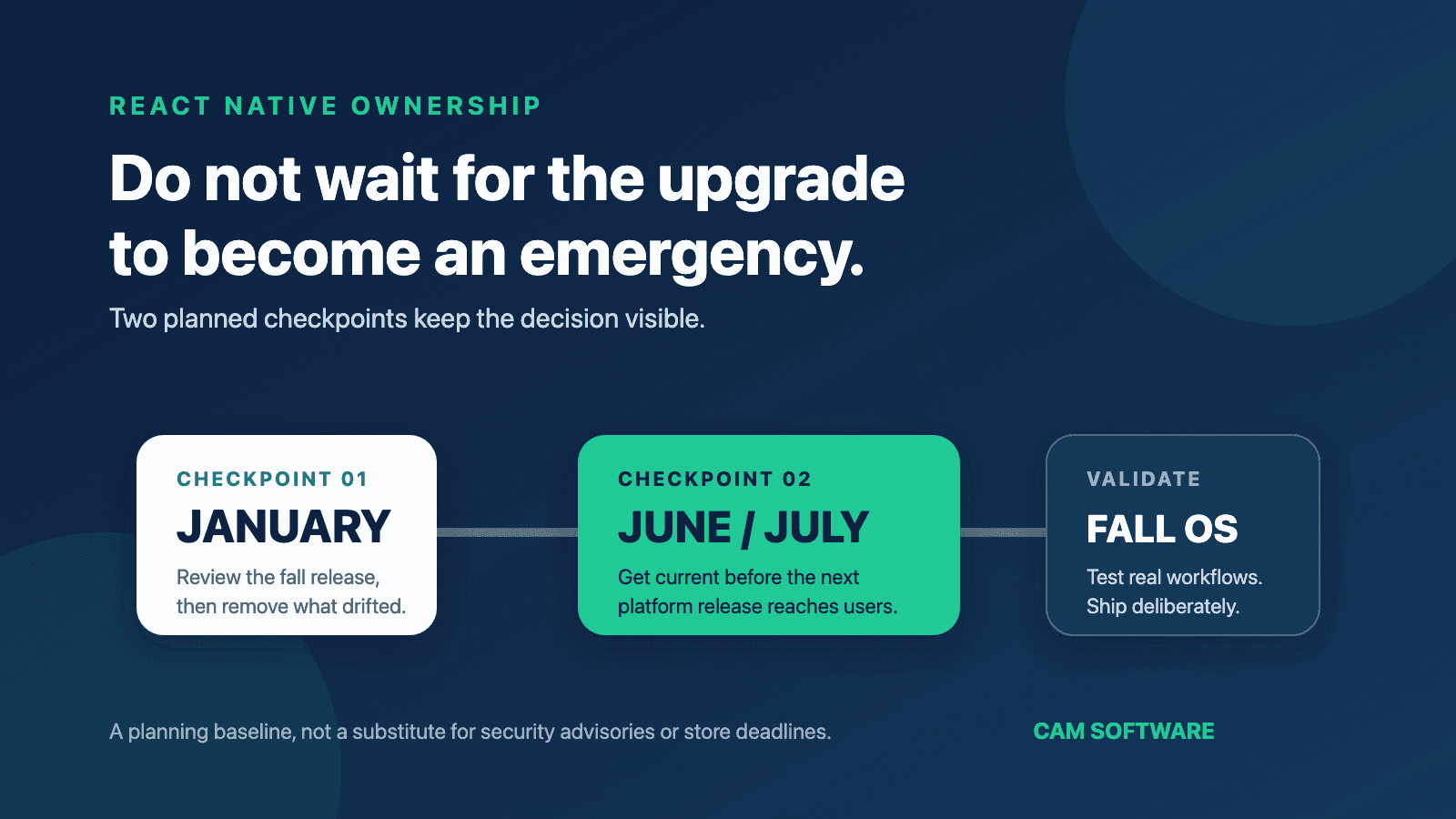
A twice-yearly React Native upgrade review is a practical baseline for many live apps. The point is not chasing every release. It is keeping framework, dependency, platform, and store changes from becoming one emergency.
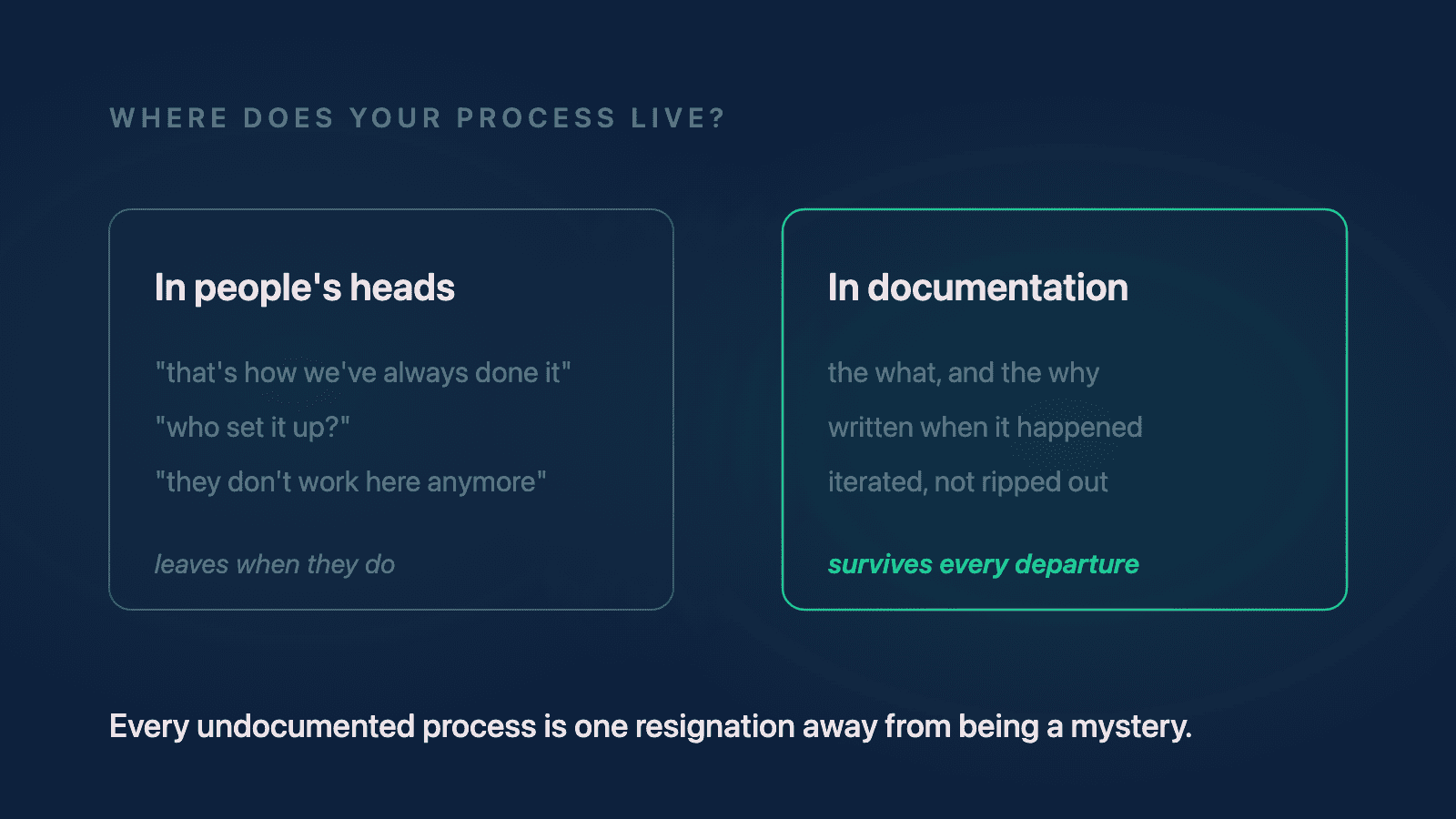
A team told to 'just move this along' with no structure, no documentation, and no process is a slow-motion problem most companies don't recognize until someone leaves. Here's what it costs and how to get ahead of it.
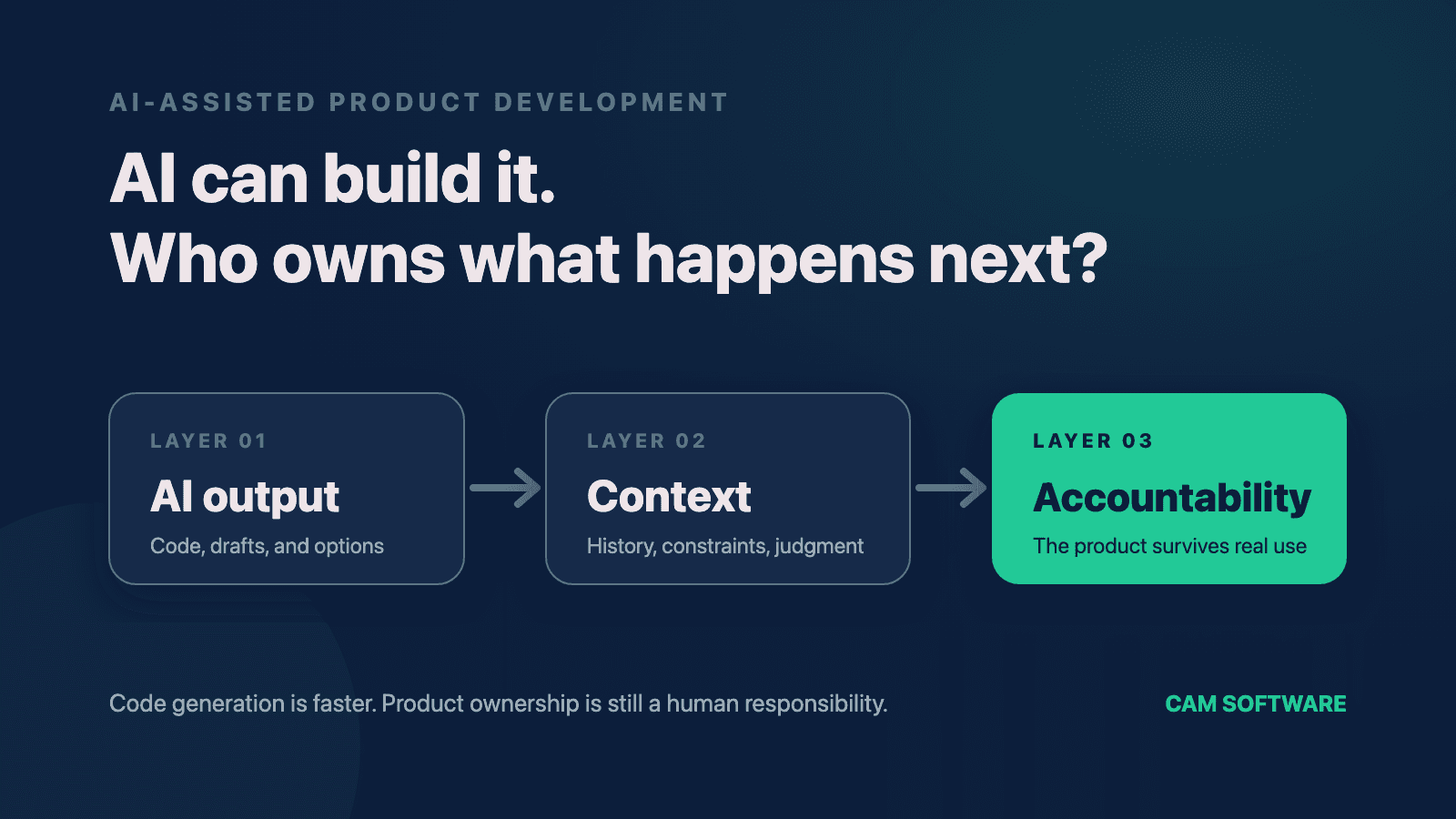
AI can help almost anyone build a prototype. A developer still matters when the product needs context, judgment, platform expertise, and someone accountable for what happens after the first version works.
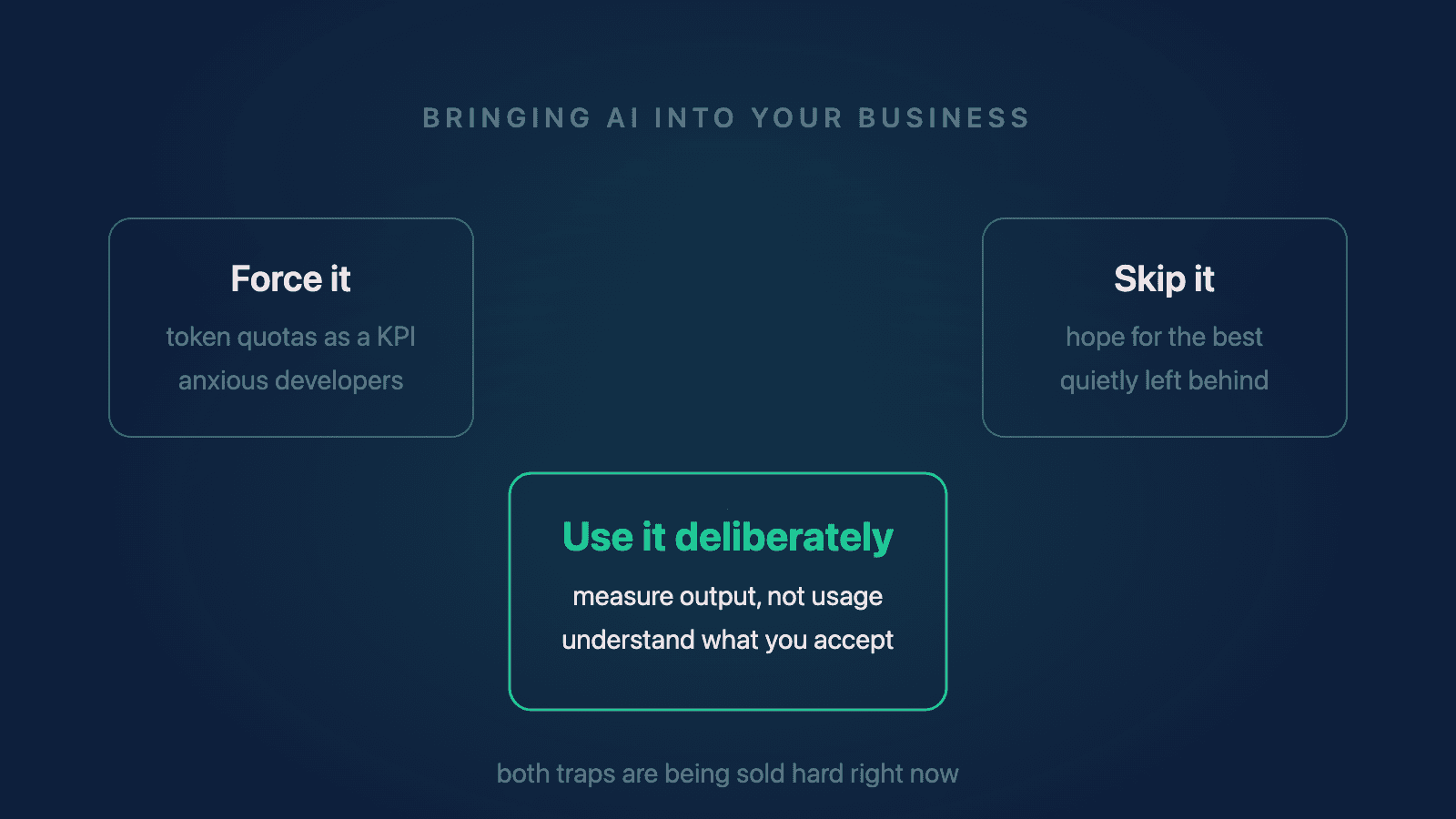
Every business is being impacted by AI whether it engages or not. The two failure modes I keep seeing are forcing it with usage quotas and letting it think for you. Here's what deliberate adoption actually looks like.
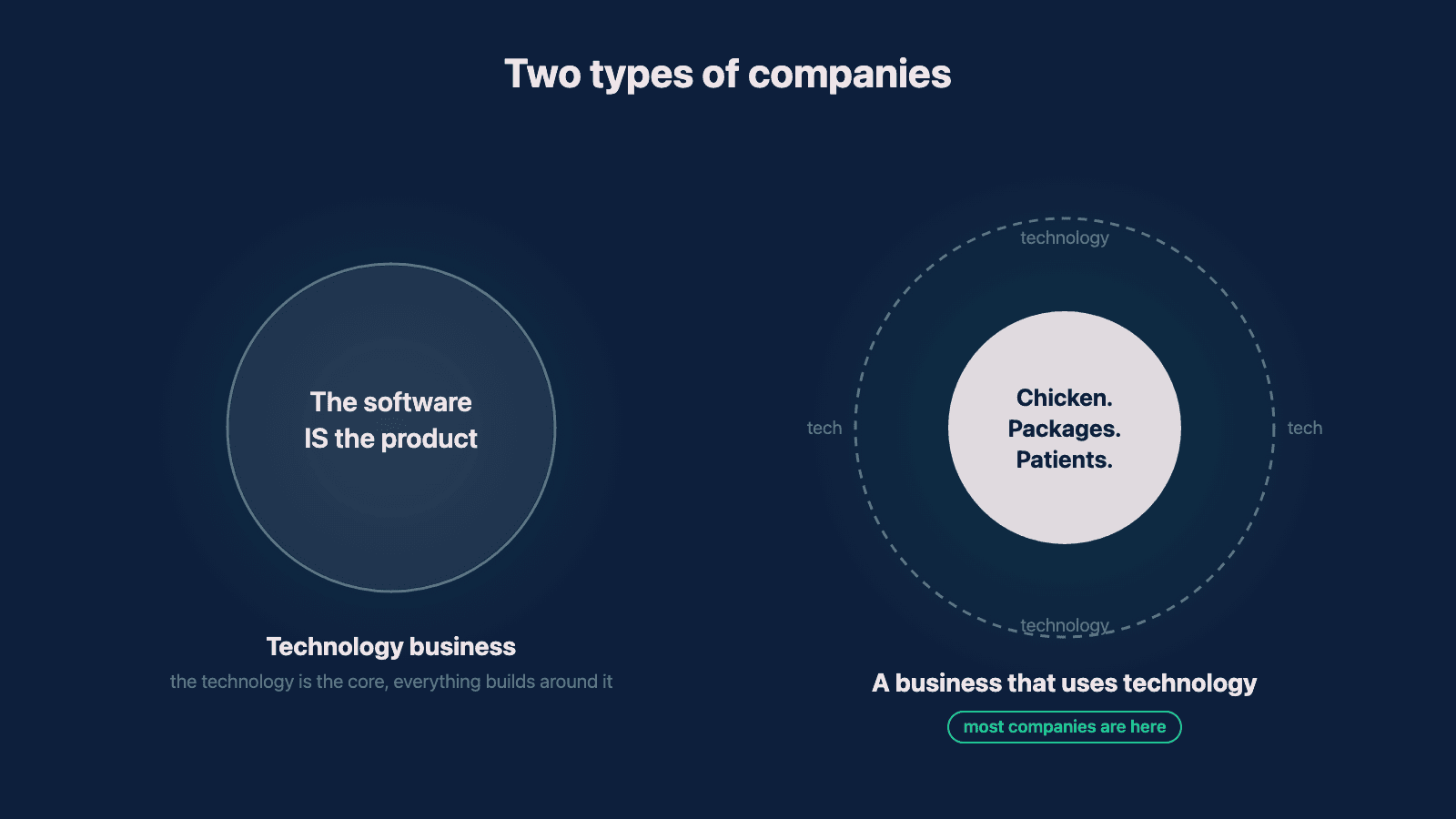
There are two types of companies: technology businesses, and businesses that use technology. Most companies are the second type, and that's fine. But right now the second type is adopting AI faster than it's building the structure to carry it.
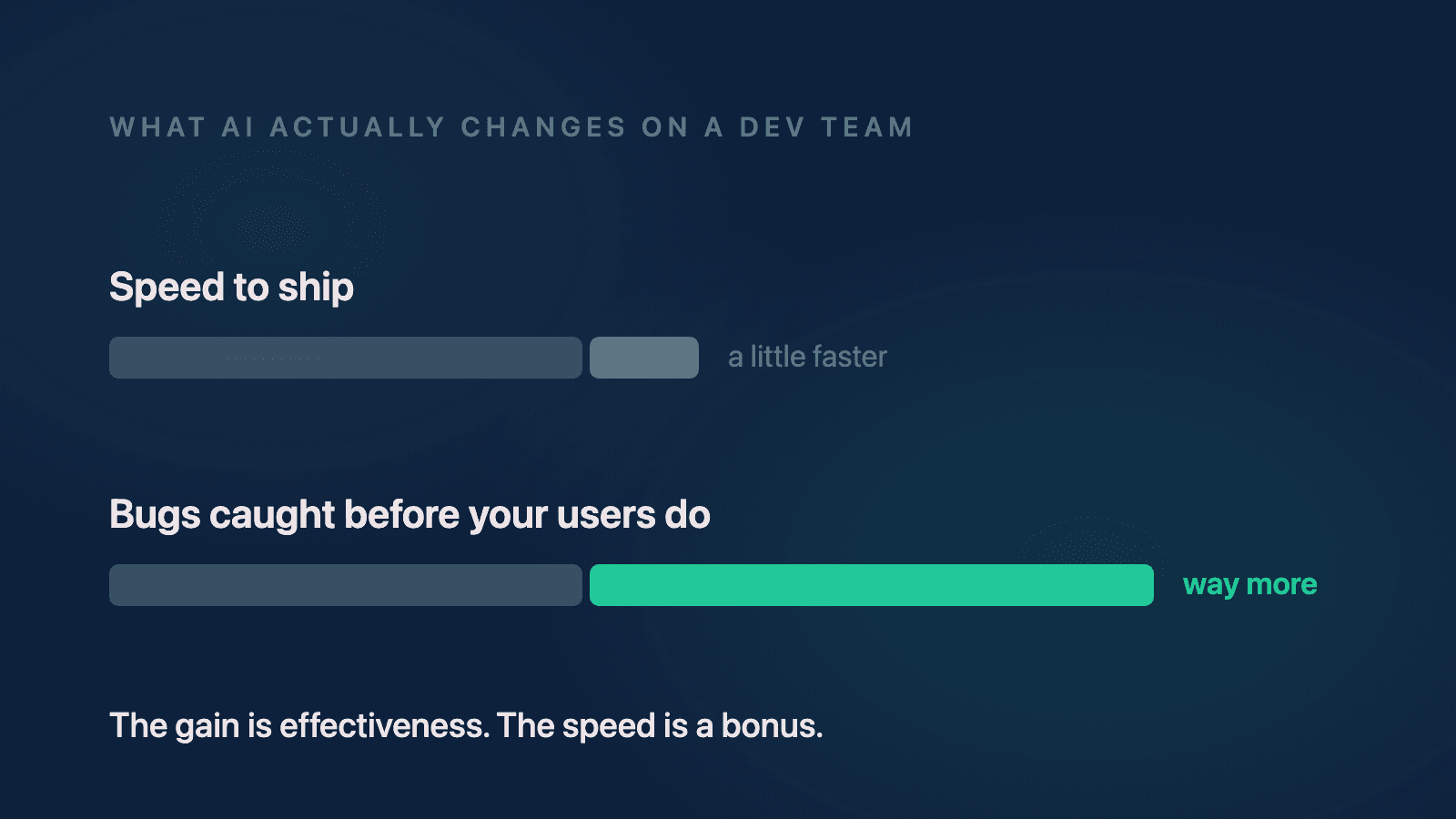
Everyone expects AI to make their dev team faster. On a real project it made the team better instead: more bugs caught, higher stability, roughly the same amount of human judgment. Here's what to actually expect.
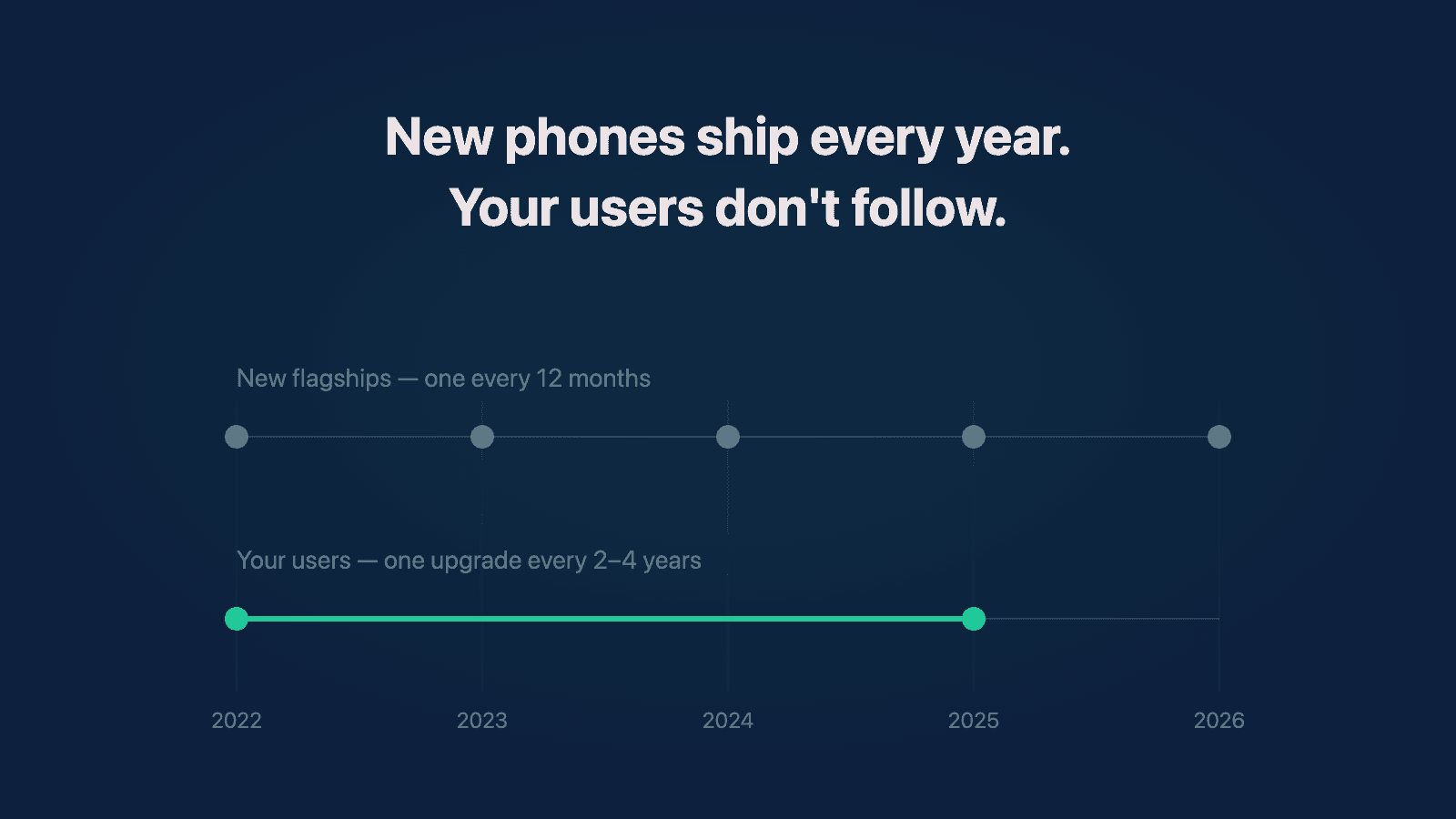
Google just announced the Pixel 11, and I buy a new phone almost every year. You probably shouldn't. Most people keep their phones for two to four years — what actually matters for your app is which operating systems it supports.
Most AI-on-a-team conversations are about developers. One of the highest-leverage agents I built was for the product side: a ticket-quality agent that shows PMs and POs where work bounces back and why.
AI is good at writing a plan and bad at noticing what its own plan forgot. A separate review agent with fresh context catches what the first pass missed. Here is why that works and how I use it.
Short answer: no. The line between subscribe to it and build it yourself has moved, but most people are about to misjudge where that line sits for their own business. A practical framework for picking which side to land on.
An honest, technically grounded read on what HIPAA actually requires for a mobile app — and what it doesn't. Privacy Rule, Security Rule, BAAs, third-party SDKs, encryption, audit logs, and the mobile-specific gotchas most teams miss. Based on five years of healthcare engagements across ABA therapy, e-prescribing, and EHR.
Sometimes the best decision a founder can make is to stop. Here's how I knew it was time to walk away from TrueStar — and the signals every founder should watch for.
A detailed roadmap for building a successful SaaS business in 2026, covering everything from market research to scaling strategies and modern tech stack choices.